

Understanding Digital Marketing
Digital marketing has emerged as a pivotal component of modern business strategies, redefining the way organizations connect with consumers. At its core, digital marketing encompasses a broad range of practices aimed at promoting products and services through various digital channels. This approach has revolutionized the traditional marketing landscape, integrating technology into marketing efforts to reach audiences more effectively.
The evolution of digital marketing can be traced back to the advent of the internet and technological advancements that have transformed consumer behavior. In the past, businesses primarily relied on traditional marketing methods, such as print advertisements, television commercials, and direct mail. However, as digital platforms have gained prominence, marketers have shifted their focus to online strategies that can yield better engagement and measurable results.
Today, digital marketing includes an array of tactics, such as search engine optimization (SEO), content marketing, social media marketing, email campaigns, and pay-per-click (PPC) advertising. These methods leverage the internet and digital devices to interact with potential customers at various stages of their buying journey. The transition to a digital-first mindset has also prompted businesses to harness data analytics for insights on consumer preferences, allowing for more personalized marketing approaches.
The significance of digital marketing lies in its ability to extend reach and improve audience targeting, ultimately fostering deeper connections with consumers. It enables businesses to tap into a global market, interact with their audience in real-time, and adapt swiftly to market changes. As technology continues to advance, the role of digital marketing will further enhance, making it an indispensable aspect of corporate strategy in today’s digitally driven world.
Search Engine Optimization (SEO)
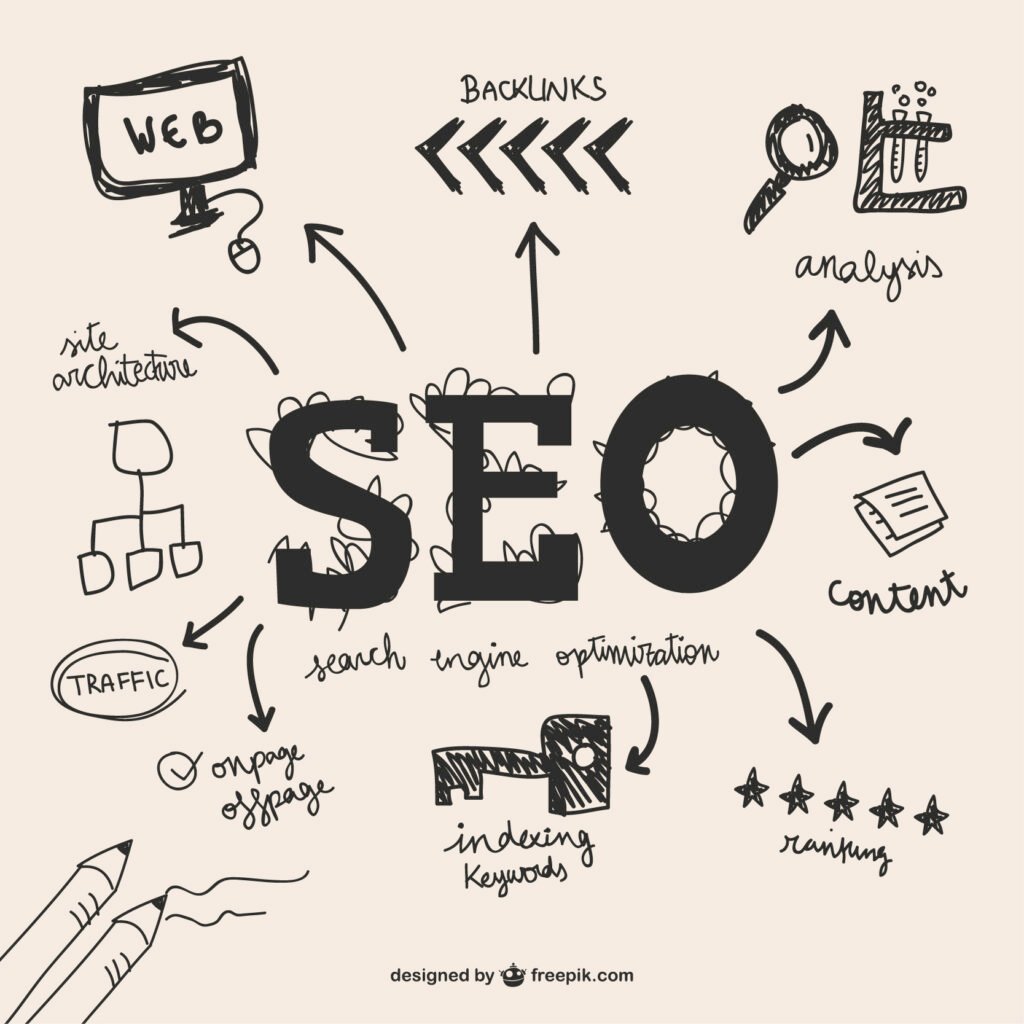
Search Engine Optimization, commonly referred to as SEO, is a fundamental component of digital marketing strategies. It encompasses a variety of techniques aimed at improving a website’s visibility on search engine results pages (SERPs). The primary objective of SEO is to enhance organic traffic to a website by ensuring that it ranks higher for relevant search queries. This increased visibility not only drives traffic but can also lead to improved brand credibility and authority.
At the core of effective SEO lies the strategic use of keywords. Keywords are the terms and phrases that users input into search engines when seeking information. Digital marketers conduct thorough keyword research to identify the most relevant and high-performing keywords for their target audience. By optimizing website content, including blog posts, product descriptions, and meta tags with these keywords, marketers can significantly boost their chances of achieving higher rankings.
Additionally, SEO involves on-page and off-page optimization techniques. On-page SEO focuses on elements within the website that influence search rankings, such as title tags, header tags, and the overall structure of the content. Conversely, off-page SEO comprises actions taken outside of the website, primarily related to building backlinks from reputable sites. Backlinks serve as a vote of confidence from other websites, signaling to search engines that the content is valuable and trustworthy.
The impact of SEO on a website’s performance cannot be overstated. Properly executed SEO strategies lead to increased visibility, which, in turn, enhances website traffic. As users are more likely to click on results appearing on the first page of search engines, achieving a high rank becomes crucial. In this competitive digital landscape, organizations must prioritize SEO to ensure they remain visible to their target audience.
Ultimately, a seamless integration of robust SEO practices not only elevates a website’s ranking on search engines but also fosters a greater understanding of customer behaviors and preferences. This understanding can then inform further marketing efforts and business strategies.
Content Marketing Strategies

Content marketing is a cornerstone of digital marketing, playing a crucial role in nurturing and engaging an audience. Through the strategic development of valuable content, digital marketers aim to build lasting relationships with potential customers. The essence of content marketing lies in providing relevant and informative material that resonates with the target audience, ultimately facilitating their journey through the sales funnel.
Creating valuable content begins with a deep understanding of the audience’s needs and preferences. Digital marketers conduct thorough research to identify pain points and interests that inform the content creation process. This research drives the development of various content types, including blog posts, videos, infographics, and social media updates. By tailoring content to meet the audience’s preferences, marketers can ensure higher levels of engagement and encourage interactions with the brand.
Furthermore, effective content marketing strategies focus on consistent delivery of high-quality content across various platforms. This consistency helps to establish brand authority, positioning the brand as a thought leader within its industry. When audiences perceive a brand as trustworthy and informative, they are more likely to return for further insights, which enhances customer loyalty.
In addition to engaging the audience, well-crafted content drives conversions. Calls to action embedded within the content guide users towards desired outcomes, be it signing up for a newsletter, downloading an eBook, or making a purchase. The importance of robust content marketing strategies cannot be overstated, as they transform casual browsers into potential customers and long-term advocates for the brand.
Social Media Marketing

In the realm of digital marketing, social media marketing stands out as a pivotal strategy for enhancing brand visibility and fostering customer engagement. Digital marketers utilize various social media platforms to create strong online presences for brands, enabling them to connect more effectively with their target audience. Popular platforms such as Facebook, Instagram, Twitter, and LinkedIn offer diverse opportunities for marketers to deploy tailored strategies that resonate with their consumers.
One of the foremost roles of social media in digital marketing is to build a community around the brand. By engaging customers through interactive content, responding to inquiries, and participating in discussions, digital marketers cultivate a loyal community that feels valued and connected to the brand. This sense of community not only enhances customer loyalty but encourages word-of-mouth promotion, a powerful tool in today’s market landscape.
Moreover, digital marketers leverage social media to conduct campaigns that promote products or services effectively. These campaigns often employ various strategies, including paid advertisements, influencer partnerships, and organic content sharing. For instance, brands can utilize Instagram influencers to reach niche audiences or use targeted ads on Facebook to attract new customers based on specific demographics or interests.
In recent years, new platforms have emerged, such as TikTok and Snapchat, which have introduced innovative ways to engage with audiences, particularly younger demographics. Marketers are adapting their strategies to include short-form content and highly creative visual storytelling, which are essential for capturing attention in these rapidly evolving environments. Staying updated with trends on these platforms allows digital marketers to remain competitive and reach potential customers effectively.
Ultimately, the integration of social media into digital marketing strategy is not only about presence but also about creating meaningful interactions and delivering valuable content that resonates with the audience. As digital landscapes continue to evolve, the importance of social media will only grow, making it an essential tool for successful digital marketers.
Pay-Per-Click Advertising (PPC)

Pay-Per-Click (PPC) advertising is a prominent digital marketing strategy primarily utilized to drive targeted traffic to websites. In essence, this form of online advertising allows businesses to acquire visits to their sites by paying a fee each time a user clicks on their ad. This model is particularly effective because it offers potential customers a direct path to engaging with the brand at the moment they express interest through online searches.
Various platforms facilitate PPC campaigns, with Google Ads being one of the most widely recognized. Other platforms, such as Bing Ads, Facebook Ads, and LinkedIn Ads, also provide valuable opportunities to reach specific audiences. Each of these platforms has unique targeting capabilities that allow marketers to tailor their campaigns based on user demographics, interests, and online behavior, ensuring that the advertisements are viewed by the most relevant audience.
Managing budget effectively is a crucial aspect of PPC advertising. Setting a clear budget helps businesses control their expenses while maximizing ad visibility. Advertisers can employ techniques such as daily budget limits and automated bid strategies to optimize their spending. Additionally, using A/B testing can help businesses identify which ads perform better, enabling them to allocate their budgets more effectively based on actual performance metrics.
Measuring the success of a PPC campaign is primarily done through Return on Investment (ROI) calculations. Successful campaigns track various metrics, including click-through rates (CTR), conversion rates, and total revenue generated from the ads. By analyzing these metrics, businesses can assess the effectiveness of their PPC efforts and make adjustments to improve results. Overall, PPC advertising is an essential service for digital marketers to consider when aiming to enhance online visibility and drive high-quality traffic to their websites.
Email Marketing Campaigns

Email marketing represents a critical service within the realm of digital marketing, emphasizing the importance of personalization and targeted communication. Through strategic email campaigns, digital marketers can effectively nurture leads and foster deeper connections with potential customers. By segmenting their audience based on various factors such as demographics, behaviors, and preferences, marketers can tailor their messaging to resonate with each segment.
One of the primary goals of email marketing is to promote products or services. Digital marketers design compelling and visually appealing emails that highlight the unique features and benefits of their offerings. These emails often include clear calls to action (CTAs), encouraging recipients to take specific steps, be it making a purchase, signing up for a webinar, or engaging with content on a website. This practice not only drives conversions but also enhances the customer journey by providing relevant information that meets the audience’s needs.
Additionally, email marketing plays a crucial role in customer retention. After initial purchases, maintaining customer relationships is essential for long-term success. Digital marketers employ automated email sequences, often referred to as drip campaigns, to keep customers informed and engaged. These campaigns may include follow-up emails, loyalty program announcements, or personalized product recommendations based on past purchases. By providing ongoing value to customers through informative and relevant content, businesses can enhance customer loyalty and encourage repeat purchases.
Furthermore, the integration of analytics into email marketing allows digital marketers to measure the effectiveness of their campaigns accurately. Metrics such as open rates, click-through rates, and conversion rates provide valuable insights that inform future strategies. This data-driven approach enables marketers to refine their email content, optimize delivery times, and ultimately enhance the overall performance of their campaigns.
Analytics and Reporting

Analytics plays a pivotal role in digital marketing, serving as the backbone for understanding the effectiveness of various campaigns. Digital marketers rely on an array of metrics to evaluate their performance, identifying what strategies yield the best results. Through the use of sophisticated tools designed for analytics, marketers are able to track key performance indicators (KPIs) that relate directly to their campaigns, providing invaluable insights.
Among the most common metrics used in this field are conversion rates, click-through rates (CTR), and return on investment (ROI). These metrics not only help in assessing the immediate impact of a marketing campaign but also enable marketers to forecast future performance. For example, a high conversion rate indicates a successful marketing strategy, while abnormalities in CTR may signal a need for adjustments in ad placements or content. The analysis of these metrics is further refined through the integration of various analytics tools.
Tools such as Google Analytics, Adobe Analytics, and HubSpot One provide comprehensive data tracking capabilities, helping marketers to gather detailed information about user behavior on their platforms. By employing these tools, marketers can dissect data into user demographics, behavior patterns, and engagement times, allowing them to tailor their strategies more effectively to meet the needs of their audience.
The importance of data-driven decisions in digital marketing cannot be understated. By leveraging insights derived from analytics, marketers can improve their campaign strategies and enhance user experience. Refined decision-making based on solid data can yield significant advantages, helping businesses stay competitive in a rapidly evolving digital landscape.
In conclusion, analytics and reporting serve as crucial components of successful digital marketing efforts. By understanding and implementing analytical tools and metrics, marketers can ensure their campaigns are both effective and efficient, allowing for continual improvement and adaptation to market trends.
Website Development and Optimization

In the rapidly evolving landscape of digital marketing, the importance of a well-optimized website cannot be overstated. A website serves as the primary online presence for businesses, making it a crucial element for robust digital marketing efforts. One of the key aspects of website optimization involves enhancing user experience (UX). A well-designed website with an intuitive navigation structure allows users to quickly find the information they seek, which significantly minimizes bounce rates and increases the likelihood of conversion.
Mobile optimization is another critical factor in website development. With an increasing number of users accessing websites via mobile devices, it is essential that digital marketers ensure their websites are fully responsive. This not only improves accessibility but also positively impacts search engine rankings, as Google prioritizes mobile-friendly sites. A mobile-optimized website automatically adjusts its layout and content to provide an optimal viewing experience on various screen sizes, catering to the modern user’s preferences.
Moreover, the technical aspects of website optimization are fundamental to improving site performance. Factors such as loading speed, secure socket layer (SSL) certification, and search engine optimization (SEO) play crucial roles in attracting visitors. A slower loading site can deter potential customers, while a secure site instills trust in users, encouraging them to engage with the brand. In terms of SEO, employing best practices can dramatically increase visibility on search engines, ultimately enhancing traffic and boosting conversion rates.
Thus, digital marketers must prioritize comprehensive website development and optimization strategies. By focusing on user experience, mobile responsiveness, and technical enhancements, businesses can create a significant competitive advantage in the digital landscape. These improvements not only foster higher conversion rates but also create lasting customer relationships, leading to sustainable growth in an increasingly digital marketplace.
Emerging Trends in Digital Marketing

As the landscape of digital marketing continues to evolve, it is crucial for marketers to stay ahead of emerging trends. One significant trend gaining traction is the integration of artificial intelligence (AI) into marketing strategies. AI technologies are transforming how marketers analyze consumer data, automate tasks, and personalize customer interactions. By leveraging AI, businesses can enhance their targeting and engagement efforts, offering a more tailored experience to potential customers.
Another pivotal trend is voice search optimization. With the increasing use of voice-activated devices, customers are changing the way they search for information online. Marketers must adapt their strategies to accommodate this shift by focusing on conversational keywords and creating content that answers common questions people pose through voice searches. Implementing voice search optimization strategies will not only improve visibility but also ensure that brands remain accessible to their audience.
Furthermore, personalization remains a cornerstone of effective digital marketing. Consumers today expect brands to provide customized experiences that reflect their preferences and behaviors. This trend underscores the importance of utilizing data analytics to understand customer journeys and implement personalized content across various channels. Marketers who prioritize personalization can foster deeper connections with their audience, leading to increased loyalty and higher conversion rates.
In conclusion, embracing emerging trends like AI integration, voice search optimization, and personalization will enable marketers to maintain a competitive edge in the ever-changing digital marketing landscape. Staying informed and adaptable in these areas is essential for achieving long-term success and effectively meeting the evolving needs of consumers.